
What is Conjunctivitis?
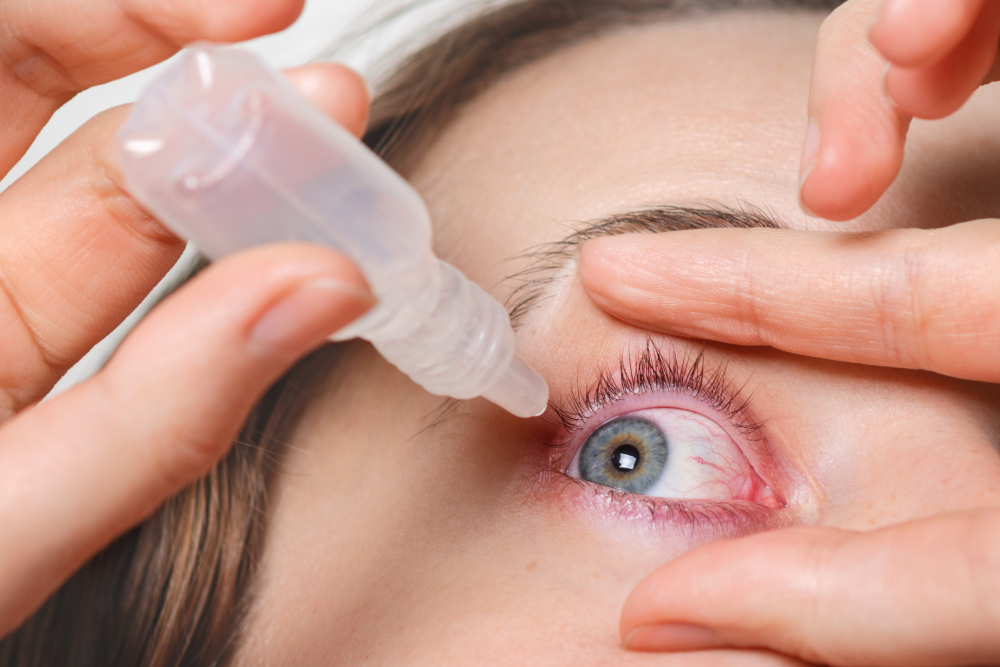
Conjunctivitis, also called pink eye, is an infection or swelling of the thin layer covering the white part of your eye. This layer is called the conjunctiva. When it gets inflamed, your eye may look red or pink. Many people get conjunctivitis at least once in their lives. Although it can be uncomfortable, it is usually not serious. However, it spreads easily, especially among children.
Common Symptoms of Conjunctivitis
Conjunctivitis has several signs that are easy to spot. For example, you may notice:
Sometimes, symptoms start in one eye and move to the other. Because conjunctivitis can look like other eye problems, it is important to watch for these signs.
Causes of Conjunctivitis
There are several reasons why you might get conjunctivitis. Most often, it is caused by:
Viral and bacterial conjunctivitis are very contagious. On the other hand, allergic conjunctivitis is not spread from person to person.
How is Conjunctivitis Diagnosed?
Doctors can often diagnose conjunctivitis by looking at your eyes and asking about your symptoms. Sometimes, they may:
Usually, no special tests are needed. However, if symptoms are severe or do not improve, your doctor may do more tests to rule out other eye problems.
Treatment Options for Conjunctivitis
Treatment depends on the cause of conjunctivitis. For example:
While at home, you can:
Never use someone else’s eye drops or medicine. If you wear contact lenses, stop using them until your doctor says it is safe.
Prevention Tips and Lifestyle Guidance
Because conjunctivitis spreads easily, good habits can help protect you and others. For instance:
By following these tips, you can lower your risk of getting or spreading conjunctivitis. In addition, keeping your living space clean helps prevent eye infections.
When to See a Doctor
Most cases of conjunctivitis are mild. However, you should see a doctor if you:
Early treatment for conjunctivitis can prevent complications and help you feel better much sooner. Recognising symptoms early and seeking timely care ensures quick recovery and protects those around you from infection.
For personalised advice and proper treatment, consult the eye specialists at Nethraa Eye Hospital today.
Clear, comfortable eyes start with expert care.