Why Regular Eye Exams Matter in Winter
Winter brings cold air, wind, and indoor heating. These changes can affect children’s eyes. Regular eye exams for children during winter help spot problems early. In fact, children’s winter eye health can suffer due to dry air and less sunlight. Pediatric eye checkups are important for protecting kids’ vision in cold weather. According to the American Academy of Ophthalmology, early detection can prevent long-term vision issues. Therefore, scheduling an eye exam in winter is a smart step for your child’s health.
Common Winter Eye Problems in Children
Children face several eye problems in winter. For example, dry eyes are common because heaters remove moisture from the air. Also, cold winds can irritate the eyes. Sometimes, children rub their eyes more, which may lead to infections. Here are some frequent winter eye issues:
Because these problems can affect vision, regular checkups are important during winter months.
Signs Your Child Needs an Eye Exam
It is not always easy to know when your child has an eye problem. However, some signs can help you decide when to see a doctor. Watch for these symptoms:
If you notice any of these, it is time for a pediatric eye checkup. Early action can prevent bigger problems later.
What to Expect During a Pediatric Eye Exam
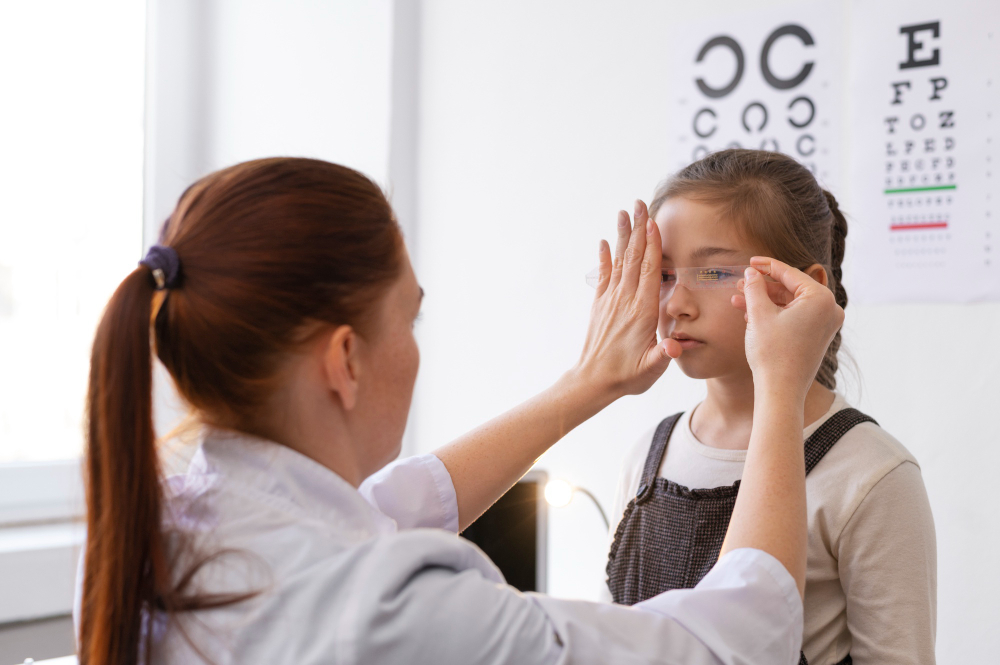
Many parents feel nervous about their child’s first eye exam. However, the process is simple and gentle. During a pediatric eye exam, the doctor will:
Most exams take less than an hour. As a result, you get peace of mind about your child’s eye health.
Tips for Protecting Children’s Eyes in Winter
Winter can be tough on eyes, but you can help. Try these simple tips to keep your child’s eyes healthy:
By following these tips, you can help protect your child’s vision all winter long.
Prevention and Early Intervention
Prevention is always better than cure. Regular eye exams help catch problems before they get worse. According to the CDC, early treatment can prevent many vision issues from becoming serious. Additionally, teaching children good eye habits can help prevent future problems. By acting early, you give your child the best chance for healthy eyes.
For personalised guidance on your child’s winter eye health, consult a pediatric eye specialist at Nethraa Eye Hospital.