
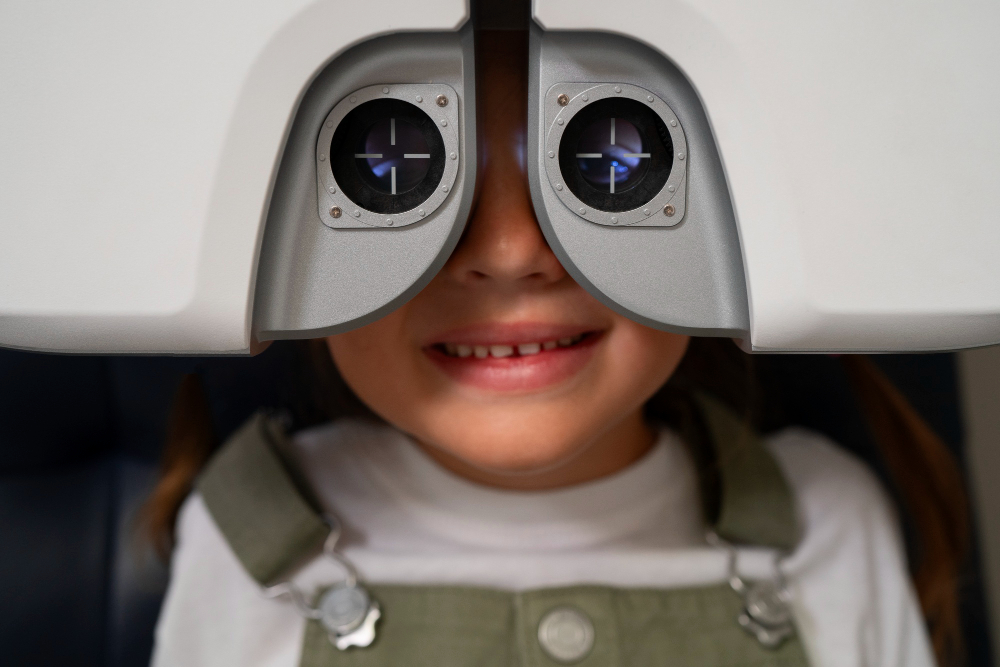
Developmental cataract is a type of cataract that forms in children as their eyes grow. Unlike cataracts in older adults, developmental cataracts can affect vision early in life. Because clear vision is important for learning and development, early detection and treatment are crucial. In this blog, you will learn about developmental cataract, its causes, symptoms, diagnosis, and treatment options. We will also share tips for prevention and when to see an eye specialist.
What is Developmental Cataract?
Developmental cataract is a clouding of the eye’s lens that happens as a child grows. The lens is the clear part of the eye that helps focus light. When the lens becomes cloudy, it can block or blur vision. Unlike age-related cataracts, which appear in older adults, developmental cataracts occur in babies, children, or teenagers. Sometimes, these cataracts are present at birth. Other times, they develop as the child grows. Developmental cataracts may affect one or both eyes. Early treatment is important because clear vision helps children learn and grow.
Causes of Developmental Cataract
There are several reasons why a child may develop a cataract. Some causes are present at birth, while others appear later. Understanding the causes can help with prevention and early care. Common causes and risk factors include:
In many cases, the exact cause is not known. However, regular eye check-ups can help catch problems early.
Symptoms of Developmental Cataract
Children with developmental cataract may not always notice changes in their vision. However, parents and caregivers can look for signs. Early detection can make a big difference. Common symptoms include:
If you notice any of these signs, it is important to see an eye specialist soon.
Diagnosis of Developmental Cataract
Early diagnosis helps protect your child’s vision. Eye doctors use several tests to check for developmental cataract. These may include:
Regular eye exams are important, especially if there is a family history of cataracts or other eye problems.
Treatment Options for Developmental Cataract
Treatment depends on the size and location of the cataract. Sometimes, small cataracts do not affect vision and may only need monitoring. However, larger or vision-blocking cataracts often need treatment. Options include:
Most children recover well after treatment. Early care can help prevent long-term vision problems.
Prevention and Lifestyle Tips
While not all developmental cataracts can be prevented, some steps can help protect your child’s eye health. Consider these tips:
With these steps, you can help support your child’s vision and overall health.
When to See an Eye Specialist
It is important to seek help if you notice any changes in your child’s eyes or vision. You should see an eye specialist if:
Early visits can help prevent vision loss and support healthy development.
Frequently Asked Questions (FAQs)
Can developmental cataract go away on its own?
No, developmental cataracts do not go away without treatment. Some small cataracts may not need surgery, but regular monitoring is important.
Is surgery safe for children with developmental cataract?
Yes, surgery is generally safe and effective. Eye specialists use special tools and care for children. Most children recover well and see better after surgery.
Will my child need glasses after cataract surgery?
Often, children need glasses or contact lenses after surgery. These help focus light and improve vision.
What causes developmental cataract in children?
Causes include genetic factors, infections during pregnancy, injuries, and some diseases. Sometimes, the cause is not known.
How can I help prevent cataracts in my child?
While not all cases can be prevented, regular eye check-ups, a healthy diet, and protecting eyes from injury can help.
Conclusion & Call-to-Action
Developmental cataract can affect a child’s vision and growth. Early detection, proper diagnosis, and timely treatment are key to good outcomes. If you notice any signs of vision problems in your child, consult an eye specialist at Nethraa Eye Hospital right away. Regular eye check-ups and healthy habits can help protect your child’s sight for life.