Retinal detachment is a serious eye problem. It happens when the retina, a thin layer at the back of your eye, pulls away from its normal place. If you want to know how to identify retinal detachment, you should learn the warning signs and symptoms. Early identification is very important. Without quick treatment, you could lose your vision. Therefore, knowing what to look for can help save your sight.
What Is Retinal Detachment?
The retina is a thin, light-sensitive tissue. It lines the back of your eye and helps you see. Retinal detachment means this layer separates from the tissue underneath. As a result, the retina cannot work properly. This can cause sudden vision loss. Although it is rare, it is an emergency. Quick action can prevent permanent damage.
Common Symptoms of Retinal Detachment
Recognizing the signs of retinal detachment early is key. While symptoms may appear suddenly, they can also develop over time. Watch for these warning signs:
However, not everyone will have all these symptoms. Sometimes, there is no pain. For this reason, you should not ignore any sudden changes in your vision.
Risk Factors and Causes
Some people are more likely to have retinal detachment. Knowing your risk can help you stay alert. Common risk factors include:
In addition, certain causes can trigger detachment. These include a tear in the retina, eye trauma, or changes in the gel inside your eye (vitreous). Sometimes, the cause is not clear.
How Is Retinal Detachment Diagnosed?
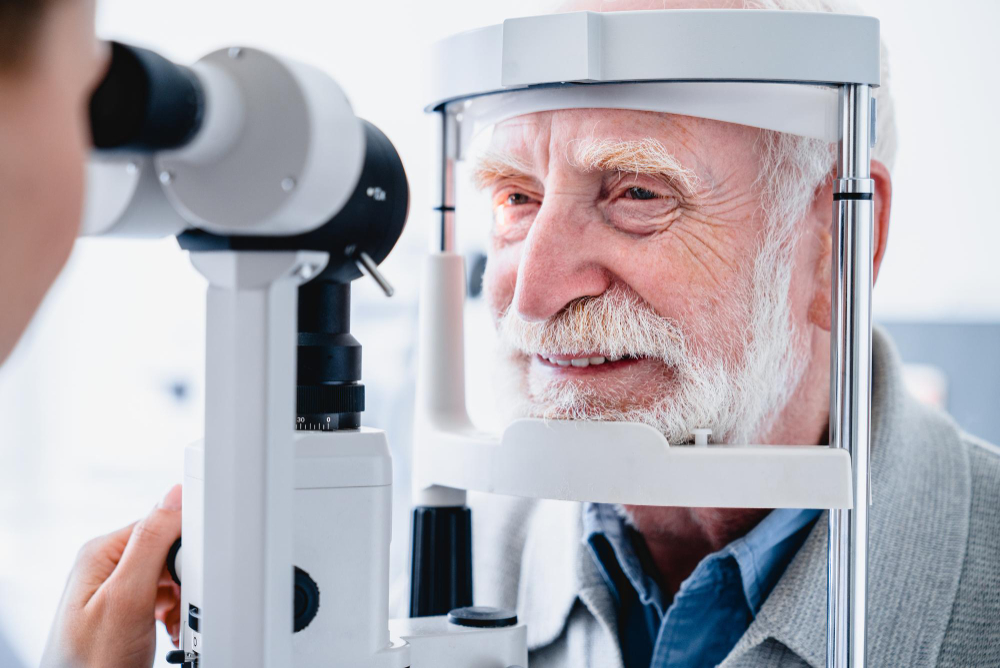
Doctors use several methods for retinal detachment diagnosis. If you notice warning signs, an eye specialist will:
Because early diagnosis is vital, do not delay seeing a doctor if you notice any symptoms.
When to Seek Immediate Medical Help
If you notice any sudden changes in your vision, act quickly. For example, if you see flashes, floaters, or a shadow over your sight, seek help right away. Even if symptoms seem mild, they can get worse fast. Early treatment gives you the best chance to save your vision.
Prevention Tips and Eye Health Guidance
While you cannot always prevent retinal detachment, you can lower your risk. Here are some tips:
Additionally, healthy habits like not smoking and eating a balanced diet can support eye health.
Conclusion: Take Action for Your Eye Health
Retinal detachment is a medical emergency. If you notice any symptoms of retinal detachment, consult Nethraa Eye Hospital immediately for personalized care. Early action can protect your vision and prevent permanent loss.