
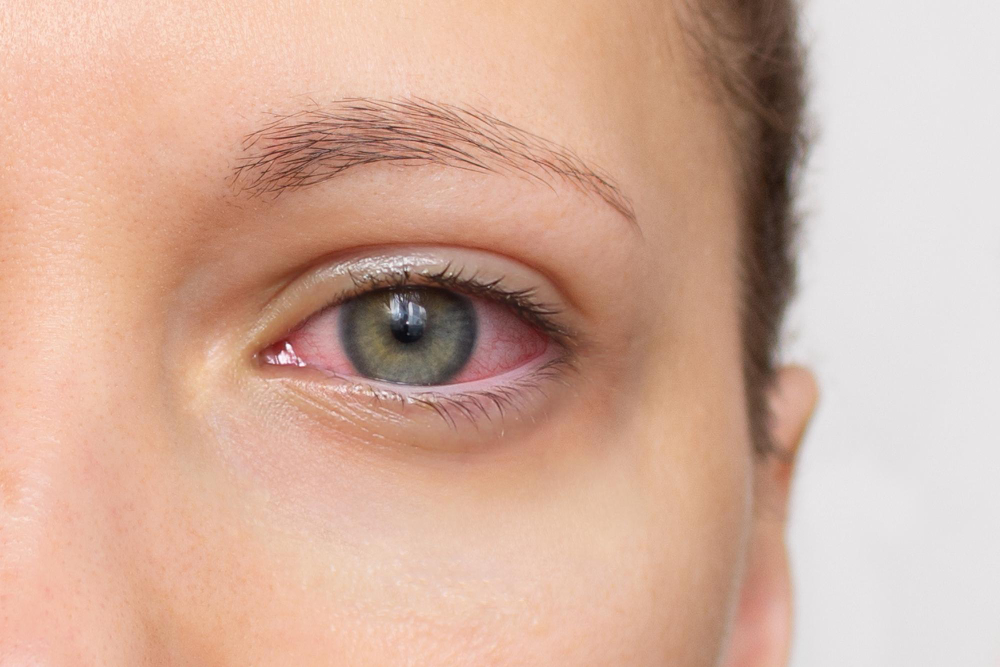
What is Uveitis?
Uveitis is a type of eye inflammation that affects the middle layer of your eye, called the uvea. This condition can cause pain, redness, and blurred vision. Because uveitis can harm your eyesight if left untreated, it is important to recognize the signs early. In fact, uveitis is a leading cause of vision loss worldwide, according to the World Health Organization (WHO). Although it can affect anyone, early detection and treatment help protect your vision.
Common Symptoms of Uveitis
Uveitis symptoms can appear suddenly or develop slowly. Sometimes, symptoms affect one eye, but they may also affect both. For example, you might notice changes in your vision or feel discomfort. Watch for these signs:
If you notice any of these symptoms, seek medical help. Early treatment can prevent serious problems.
Causes and Risk Factors
There are many possible causes of uveitis. Sometimes, doctors cannot find a clear reason. However, several factors may increase your risk. For instance, uveitis can result from:
Additionally, people aged 20 to 60 are more likely to develop uveitis. But children and older adults can get it too. Knowing these risk factors helps you stay alert to changes in your eyes.
How Uveitis is Diagnosed
Doctors use several steps to diagnose uveitis. First, they ask about your symptoms and medical history. Next, they perform a complete eye exam. During this exam, your doctor may:
Because uveitis can be linked to other health problems, your doctor may also check for infections or autoimmune diseases. Early diagnosis is key to protecting your vision.
Treatment Options for Uveitis
Treating uveitis depends on its cause and severity. Most often, doctors use medicines to reduce inflammation and pain. For example, treatment options include:
Sometimes, doctors may suggest injections or surgery if other treatments do not work. However, most people improve with early care. Always follow your doctor’s advice for the best results.
Prevention and Lifestyle Tips
While you cannot always prevent uveitis, some steps may lower your risk. For instance, you can:
Additionally, living a healthy lifestyle supports your overall eye health. Eating a balanced diet and staying active can help too.
When to See an Eye Specialist
If you notice sudden changes in your vision, eye pain, or redness, do not wait. Because uveitis can get worse quickly, early care is vital. See an eye specialist right away if you have:
Prompt treatment can prevent lasting damage. Remember, your eyes are precious. Protecting them starts with quick action.
Conclusion:
Uveitis is an inflammation inside the eye that can affect vision if left untreated. Recognizing symptoms such as eye pain, redness, blurred vision, or light sensitivity and seeking timely evaluation can help protect your eyesight.
For expert diagnosis and personalized treatment of uveitis, consult the specialists at Nethraa Eye Hospital today.