
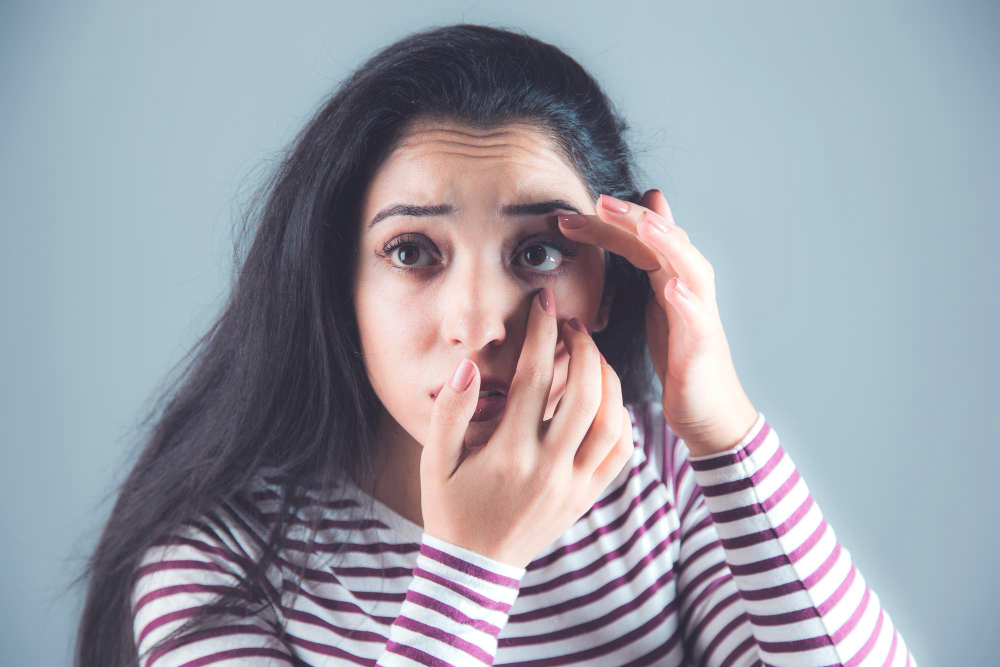
What is Blepharitis?
Blepharitis is a common eye condition. It causes your eyelids to feel itchy, crusty, and irritated. Many people experience these symptoms, but they may not know the reason. Blepharitis happens when the edges of your eyelids become inflamed. This can make your eyes feel uncomfortable. According to the Centers for Disease Control and Prevention (CDC), blepharitis is not usually serious, but it can be bothersome. Early treatment helps prevent problems.
Common Symptoms
Blepharitis symptoms can vary from person to person. However, most people notice some of the following signs:
Sometimes, your eyes may also feel dry or sensitive to light. If you notice these symptoms often, you may have blepharitis.
Causes and Risk Factors
There are several causes of blepharitis. Often, it happens when tiny oil glands near your eyelashes get blocked. This blockage can lead to irritation and swelling. In addition, bacteria on your skin can make the problem worse. Other causes include:
Some people are more likely to get blepharitis. For example, if you have oily skin or wear contact lenses, your risk may be higher. Age can also play a role, as older adults are more likely to develop this condition.
How Blepharitis is Diagnosed
Doctors can usually diagnose blepharitis during an eye exam. First, your doctor will ask about your symptoms. Next, they will look closely at your eyelids and eyelashes. Sometimes, they may use a special light to see better. In rare cases, your doctor may take a sample of the crust to check for bacteria or other problems. However, most of the time, no special tests are needed.
Treatment Options
There are several ways to treat blepharitis. Your doctor may suggest one or more of the following:
In some cases, your doctor may recommend steroid eye drops to reduce swelling. However, these are used only for short periods. For ongoing problems, regular eyelid cleaning is very important. If you are searching for “blepharitis treatment near you,” ask your local eye doctor about the best options.
Home Care and Lifestyle Tips
Good eyelid care can help manage blepharitis symptoms. Here are some simple steps you can try at home:
Additionally, try not to rub your eyes. This can make irritation worse. If you wear contact lenses, follow your eye care provider’s cleaning instructions.
Prevention Strategies
Preventing blepharitis is possible with good habits. For example, you can:
By following these steps, you can lower your risk of getting blepharitis. Also, regular eye check-ups help catch problems early.
When to See an Eye Doctor
Sometimes, home care is not enough. If your eyelids stay red, itchy, or crusty for more than a few days, see an eye doctor. Also, if you notice pain, vision changes, or swelling that gets worse, get medical help right away. Early treatment can prevent more serious problems.
If you have persistent eyelid irritation, consult an eye care specialist at Nethraa Eye Hospital for personalized advice.