
What is Bacterial Keratitis?
Bacterial keratitis is a serious eye infection. It affects the clear front part of your eye, called the cornea. This condition can cause pain, redness, and even vision loss if not treated quickly. In many cases, bacterial keratitis starts as a corneal ulcer or sore. It is one of the most common types of bacterial eye disease. Because your eyes are so important, any infection like this needs fast care. In the US and worldwide, bacterial keratitis is a leading cause of vision problems. Early treatment can help prevent lasting damage.
Symptoms of Bacterial Keratitis
Symptoms of bacterial keratitis often appear quickly. If you notice any of these signs, you should seek help right away. Early action can protect your sight. Common symptoms include:
Sometimes, you may also see a white spot on your cornea. This can be a sign of a corneal ulcer caused by infection.
Causes and Risk Factors
Bacterial keratitis happens when harmful bacteria enter the cornea. There are several ways this can occur. For example, a small scratch or injury can let bacteria in. However, some people are at higher risk. Common causes and risk factors include:
In the US, contact lens use is a leading cause of bacterial keratitis. But anyone can develop this infection if their eye is injured or exposed to bacteria.
How is Bacterial Keratitis Diagnosed?
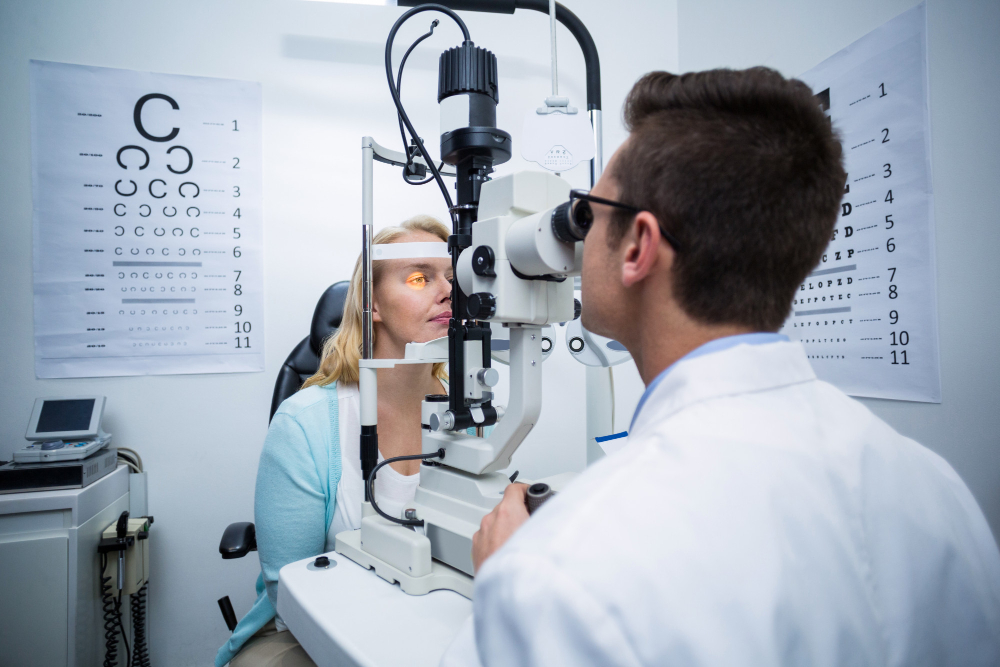
Doctors use several steps to diagnose bacterial keratitis. First, they will ask about your symptoms and eye history. Next, they will examine your eye with a special microscope. This helps them see the cornea in detail. Often, they may gently collect a sample from your cornea. This test, called a culture, shows which bacteria are causing the infection. With this information, your doctor can choose the best treatment. Quick diagnosis is key to saving your vision.
Treatment Options
Treating bacterial keratitis needs fast action. Most cases require antibiotic eye drops. These drops fight the bacteria and help heal the cornea. Sometimes, doctors may give you stronger antibiotics or even pills if the infection is severe. In rare cases, you may need other treatments, such as:
It is important to follow your doctor’s instructions closely. Do not stop treatment early, even if your eye feels better. This helps prevent the infection from coming back or getting worse.
Prevention Tips
There are many ways to lower your risk of bacterial keratitis. Simple steps can keep your eyes healthy and safe. To prevent this eye infection, try the following tips:
By following these steps, you can greatly reduce your risk of bacterial eye disease and corneal ulcers.
When to See an Eye Specialist
If you notice any symptoms of bacterial keratitis, you should see an eye specialist at Nethraa Eye Hospital right away. Early treatment can save your vision. Even mild symptoms, like redness or pain, should not be ignored. In addition, if you wear contact lenses and develop eye problems, remove them and seek help quickly. Remember, fast care is the best way to prevent serious problems.
If you notice symptoms of bacterial keratitis, consult an eye specialist at Nethraa Eye Hospital promptly for personalized care. Protect your eyes and act early for the best results.