
What Is Astigmatism?
Astigmatism is a common eye condition. It happens when the front part of your eye, called the cornea, is not perfectly round. Instead, it is shaped more like a football than a basketball. Because of this, light does not focus evenly on the back of your eye. As a result, you may see blurry or distorted images. Many people have some degree of astigmatism. Often, it is mild and does not cause problems. However, some people need glasses or contact lenses to see clearly.
Symptoms of Astigmatism
Astigmatism can cause several symptoms. Sometimes, these signs are mild. Other times, they can affect your daily life. For example, you may notice:
However, these symptoms can also be caused by other eye problems. Therefore, it is important to see an eye doctor for a proper checkup.
Causes of Astigmatism
Astigmatism is usually caused by the shape of your cornea or lens. Most often, people are born with it. Sometimes, it can develop after an eye injury, surgery, or certain diseases. But can eye strain cause astigmatism? Many people worry that too much screen time or reading might lead to permanent astigmatism. According to the American Academy of Ophthalmology and the World Health Organization, prolonged eye strain does not cause permanent astigmatism. Instead, eye strain can make your eyes feel tired or sore. It may also cause temporary blurry vision. However, it does not change the shape of your cornea or lens. Therefore, activities like using computers, watching TV, or reading for long periods do not cause permanent astigmatism. Genetics and eye injuries are the main causes of permanent astigmatism.
Diagnosis Methods
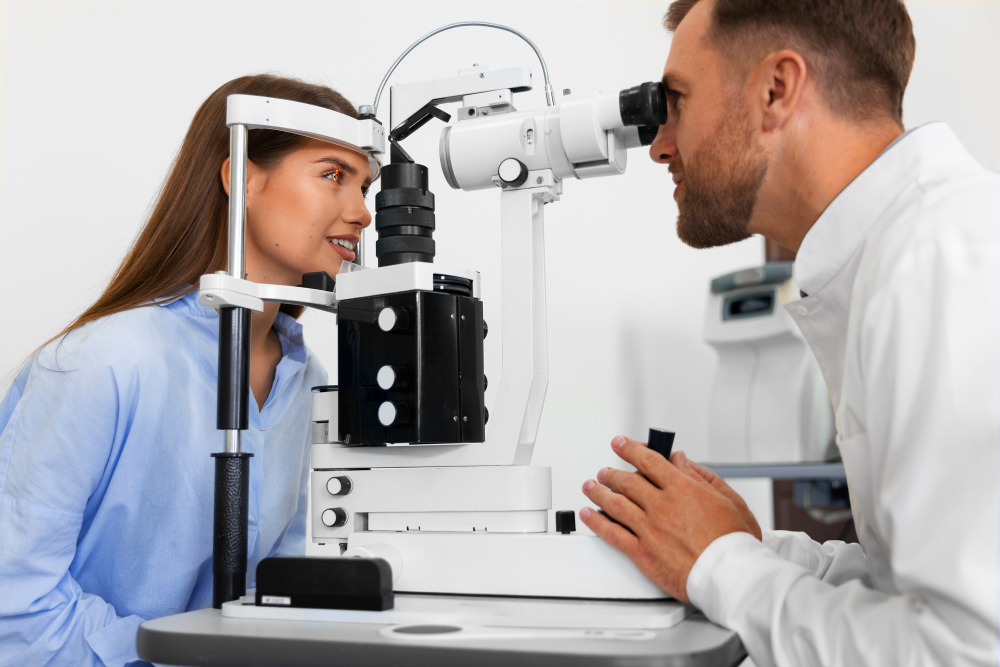
Eye doctors use several tests to check for astigmatism. First, they may ask about your symptoms. Next, they will perform a simple vision test. This test checks how well you can see letters or shapes at different distances. In addition, the doctor may use special tools to measure the shape of your cornea. These tests are quick and painless. If you have astigmatism, your doctor will explain your options.
Treatment Options
There are several ways to treat astigmatism. Your doctor will suggest the best option for you. Common treatments include:
Most people see well with glasses or contacts. Surgery is usually only for adults with stable vision. Your doctor will discuss the risks and benefits of each treatment.
Prevention Tips and Lifestyle Guidance
While you cannot always prevent astigmatism, you can protect your eye health. For example, you can:
Although prolonged screen time and eye health are linked, remember that eye strain does not cause permanent astigmatism. However, good habits can help you avoid discomfort and keep your eyes healthy.
Conclusion
To sum up, prolonged eye strain does not cause permanent astigmatism. Most cases are due to genetics or injury. Still, taking care of your eyes is important. If you notice blurry vision or other symptoms, do not wait. Consult Nethraa Eye Hospital for personalized advice on astigmatism and eye health. Our expert team is here to provide you with the best care and treatment for your vision needs.