
What Are Corneal Dystrophies?
Corneal dystrophies are a group of rare eye conditions that affect the clear front part of the eye, called the cornea. In most cases, these conditions are inherited. The cornea becomes cloudy or develops deposits, which can affect vision. . Because the cornea is important for clear sight, any change can impact daily life. While some people have mild symptoms, others may notice more serious changes. For this reason, understanding corneal dystrophies is important for eye health.
Common Symptoms of Corneal Dystrophies
Symptoms of corneal dystrophies can vary. However, many people notice changes in their vision. Some may not have symptoms at first. Over time, symptoms can appear or get worse. For example, you might notice:
Sometimes, symptoms come and go. In other cases, they get worse slowly. Because these signs can be mild, regular eye exams help catch problems early. If you notice any of these corneal dystrophy symptoms, you should talk to an eye doctor.
Causes and Risk Factors
Most corneal dystrophies are caused by changes in genes. This means they often run in families. In addition, both men and women can get these conditions. Although age can play a role, many types start in childhood or young adulthood. However, not everyone with a gene change will develop symptoms. Other risk factors include:
Because these conditions are not caused by infection or injury, you cannot catch them from someone else. Still, knowing your family history helps with early diagnosis and care.
How Corneal Dystrophies Are Diagnosed
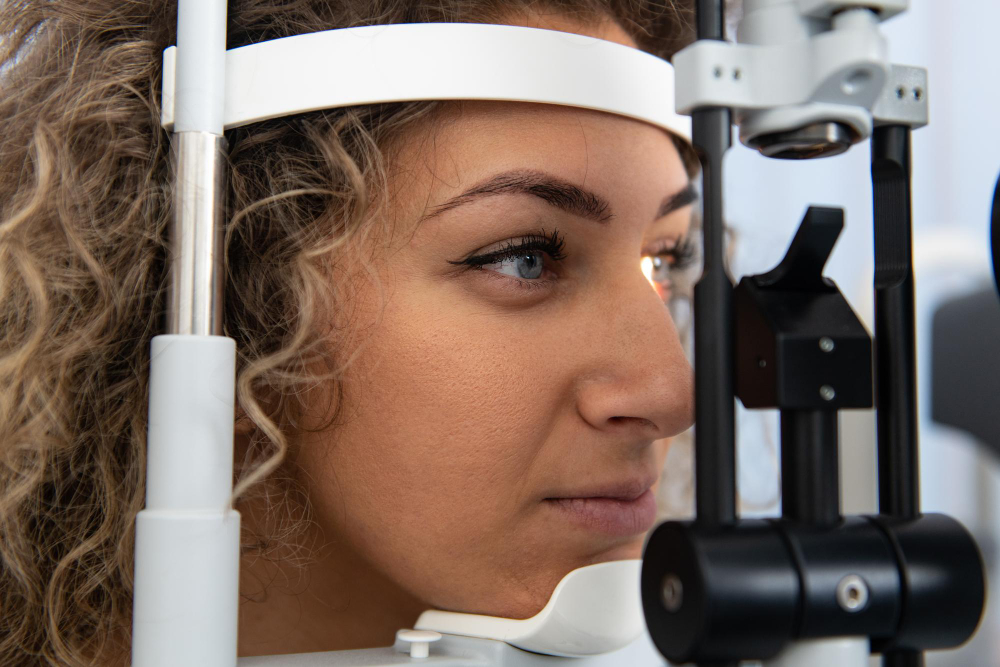
Diagnosing corneal dystrophies usually starts with a full eye exam. During the exam, the eye doctor looks at the cornea using special lights and tools. For example, a slit lamp helps the doctor see tiny changes in the cornea. Sometimes, doctors use:
Because some corneal dystrophies look similar, doctors may need several tests. Early diagnosis helps guide treatment and protect vision.
Treatment Options for Corneal Dystrophies
Treatment for corneal dystrophies depends on the type and how much it affects vision. For mild cases, you may not need any treatment right away. However, if symptoms cause discomfort or vision loss, doctors may suggest:
Because each person is different, treatment plans are tailored to your needs. In many cases, regular check-ups help track changes and adjust care as needed. New research and treatments continue to improve outcomes for people with corneal dystrophies.
Living With Corneal Dystrophies
Living with corneal dystrophies can be challenging, but many people manage well. For example, using eye drops as directed can ease discomfort. Wearing sunglasses helps protect sensitive eyes from bright light. Although vision changes may be slow, regular visits to the eye doctor are important. If you notice new symptoms, let your doctor know right away. Many support groups and resources are available for people with rare eye conditions. Staying informed helps you take charge of your eye health.
Prevention and Eye Health Tips
Since most corneal dystrophies are inherited, they cannot be fully prevented. However, you can take steps to keep your eyes healthy. For instance:
Because early care makes a difference, staying alert to changes in your vision is key. While you may not prevent corneal dystrophies, you can support your eye health and quality of life.
Conclusion
Corneal dystrophies are a group of conditions that affect the clarity and function of the cornea, sometimes causing blurred vision, discomfort, or light sensitivity. Early eye evaluation helps identify the type of corneal dystrophy and determine the right approach for managing vision health.
Experiencing blurred vision, eye discomfort, or changes in vision?
Consult the eye care team at Nethraa Eye Hospital for expert evaluation and personalised guidance for corneal health.