
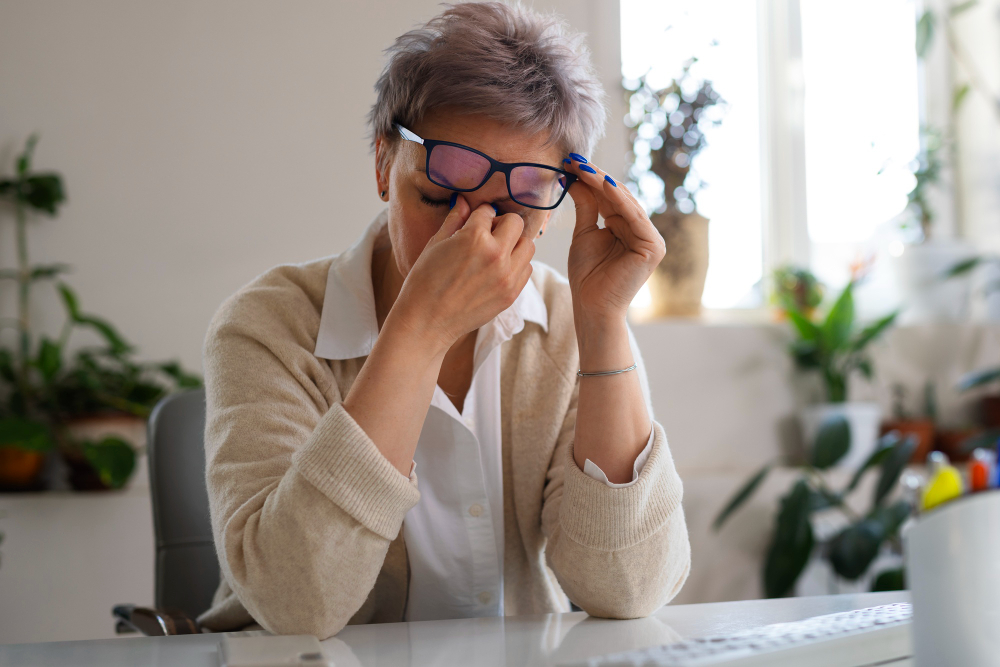
What is Dry Eye Disease?
Dry Eye Disease is a common eye condition. It happens when your eyes do not make enough tears, or the tears dry up too quickly. Because of this, your eyes may feel uncomfortable or look red. Many people experience dry eye symptoms at some point. However, some people have ongoing problems that need special care. According to the World Health Organization, Dry Eye Disease affects millions worldwide. It can lower your quality of life if not treated.
Common Symptoms of Dry Eye Disease
Dry Eye Disease can cause many symptoms. Some people may notice only mild discomfort. Others may have more severe problems. For example, you might feel like something is in your eye. Or, your eyes may water more than usual. Below are common dry eye symptoms:
Because symptoms can change during the day, it is important to notice when they happen. If you have these signs often, you may have Dry Eye Disease.
Causes and Risk Factors
There are many causes of dry eyes. Sometimes, your body just does not make enough tears. Other times, the tears do not stay on your eyes long enough. Several risk factors can increase your chances of getting Dry Eye Disease. For instance, age is a big factor. As people get older, tear production often drops. In addition, women are more likely to develop dry eyes, especially after menopause. Here are some common causes and risk factors:
Because many things can cause dry eyes, it is important to talk to your doctor if you notice symptoms.
How Dry Eye Disease is Diagnosed
Doctors use several tests to diagnose Dry Eye Disease. First, your eye specialist will ask about your symptoms and health history. Then, they may check how your eyes look and how well you make tears. For example, they might use special drops to see how fast your tears dry. Or, they may use paper strips to measure tear production. Sometimes, doctors use colored dyes to look for damage on the eye surface. Because these tests are quick and painless, you can get answers during a regular eye exam.
Treatment Options for Dry Eye Disease
There are many dry eye treatment options. The right choice depends on how severe your symptoms are. For mild cases, simple steps may help. However, some people need more advanced care. Here are common treatments:
Because every person is different, your doctor will suggest the best treatment for you. Sometimes, a mix of treatments works best.
Lifestyle Tips and Prevention
There are ways to help prevent dry eye disease or reduce symptoms. For example, you can take breaks from screens and blink often. In addition, using a humidifier at home can add moisture to the air. Here are some helpful tips:
Because prevention is easier than treatment, these steps can make a big difference. If you want to know how to prevent dry eye disease, start with these simple changes.
When to See an Eye Specialist
Sometimes, home remedies are not enough to relieve dry eye symptoms. If your discomfort doesn’t improve—or if you experience pain, redness, or vision changes—it’s important to see an eye specialist. Early treatment can prevent more serious complications. Untreated Dry Eye Disease may lead to infections or damage to the eye’s surface, affecting your long-term vision.
Because your eyes are precious, don’t wait to get the help you need.
If you experience symptoms of Dry Eye Disease, consult the eye specialists at Nethraa Eye Hospital for personalised evaluation and effective treatment options.
Timely care protects your comfort and your vision.