
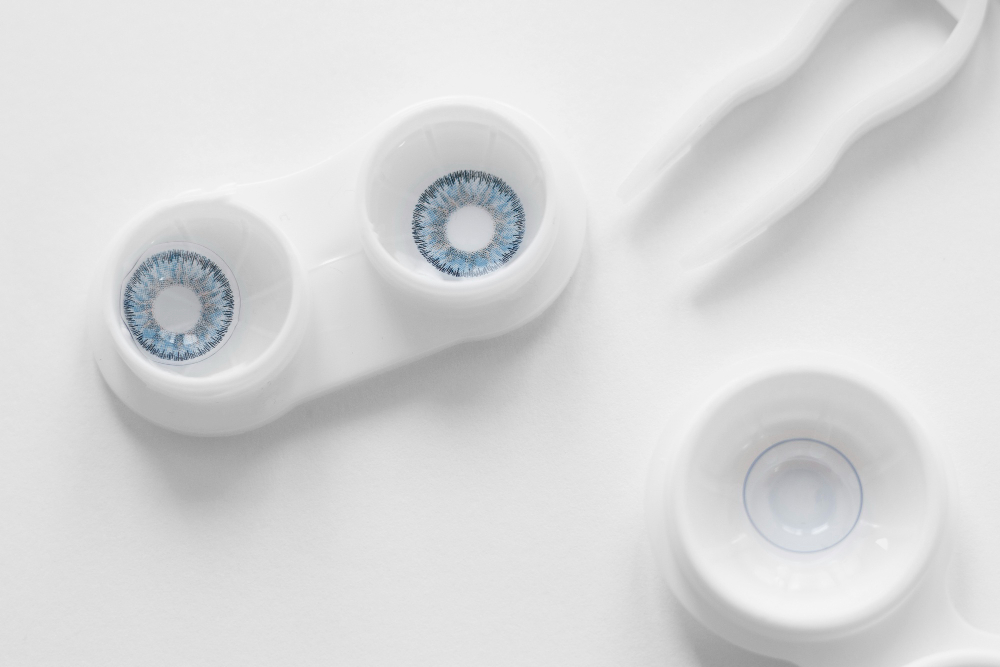
What Is an Intraocular Lens?
An intraocular lens, or IOL, is a small, artificial lens. Doctors use it to replace the eye’s natural lens when it becomes cloudy, usually due to cataracts. Cataracts can make your vision blurry or dim. Because the IOL is clear, it helps restore sharp vision. Most people get an intraocular lens during cataract surgery. However, some may need it for other eye conditions. Intraocular lenses are safe and have helped millions see better worldwide.
Types of Intraocular Lenses
There are several intraocular lens types. Each type offers different benefits. Your eye doctor will help you choose the best one for your needs. Here are the main options:
Because each lens type has pros and cons, it is important to discuss your lifestyle and vision goals with your doctor.
Benefits of Intraocular Lenses
Intraocular lenses offer many benefits. For example, they can:
Additionally, IOLs are made from safe materials. They are designed to last a lifetime. Most people enjoy better vision soon after surgery.
The Intraocular Lens Implantation Procedure
The IOL procedure is quick and safe. Usually, it takes less than 30 minutes. Here is what you can expect:
Because the procedure is simple, most people go home the same day. You will need someone to drive you home after surgery.
Aftercare and Recovery Tips
Proper aftercare helps your eye heal well. Here are some important tips for intraocular lens recovery:
Most people notice better vision within a few days. However, full healing may take a few weeks. If you notice pain, redness, or sudden vision loss, contact your doctor right away.
Risks and Possible Complications
Although intraocular lens surgery is safe, there are some risks. For instance, you may experience:
However, most problems are rare and can be treated. Your doctor will explain how to lower your risk and what signs to watch for.
Frequently Asked Questions
When to Consult an Eye Specialist
If you have blurry vision, trouble seeing at night, or think you have cataracts, see an eye specialist. Early advice can help you choose the best cataract surgery lens options. Also, if you have questions about intraocular lens types or the IOL procedure, your doctor can guide you. Do not wait if you notice sudden changes in your vision.
Conclusion and Next Steps
Intraocular lenses are a safe and reliable way to restore clear vision, especially after cataract surgery. Since there are many types of IOLs—each designed to meet different visual needs—it’s important to discuss your lifestyle and expectations with your eye doctor. With proper care, most people enjoy sharper vision and a smooth, quick recovery.
For personalised guidance and to understand which intraocular lens is best for you, consult the eye specialists at Nethraa Eye Hospital.
Clear vision starts with the right IOL choice—get expert advice today.