
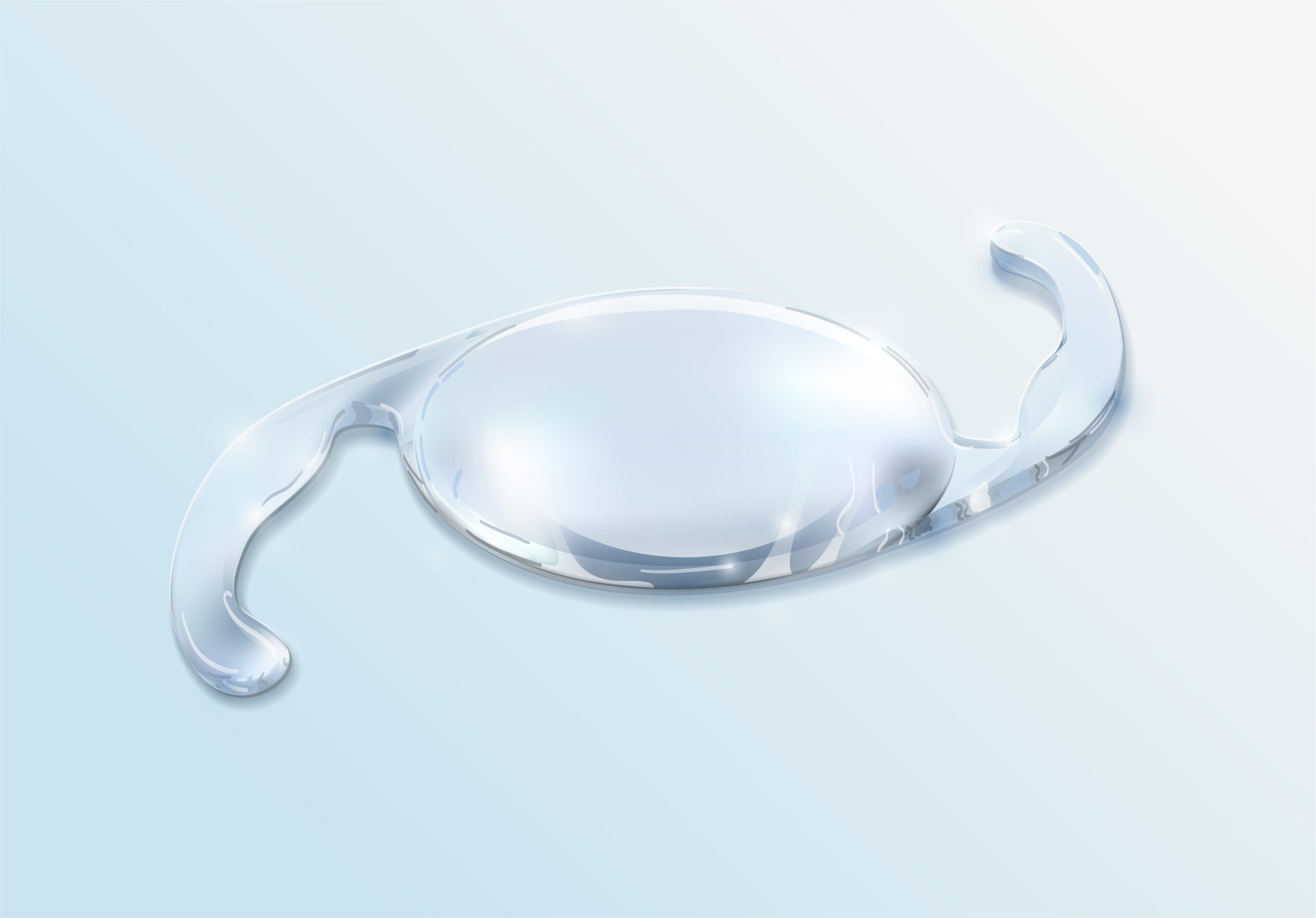
What is an Intraocular Lens?
An intraocular lens is a small, artificial lens placed inside the eye. Doctors use it to replace the eye’s natural lens when it becomes cloudy, often due to cataracts. Because cataracts can blur vision, an intraocular lens helps restore clear sight. Many people receive this lens during cataract surgery. According to the World Health Organization, cataract surgery with intraocular lens implantation is safe and effective. In fact, millions of people worldwide benefit from this procedure each year.
Types of Intraocular Lenses
There are several types of intraocular lenses. Each type offers different benefits. Your eye doctor will help you choose the best one for your needs. Here are the main types:
Because each lens type has unique features, it is important to discuss your lifestyle and vision goals with your doctor.
Benefits of Intraocular Lens Implantation
Intraocular lens surgery offers many benefits. Not only can it improve your vision, but it can also enhance your quality of life. Here are some key benefits:
Because the procedure is common and safe, most people recover quickly and notice better vision soon after surgery. The American Academy of Ophthalmology supports these benefits based on many years of research.
The Intraocular Lens Procedure
The intraocular lens procedure is usually quick and painless. Here is what you can expect:
Most surgeries take less than 30 minutes. Because it is an outpatient procedure, you can go home the same day. However, you will need someone to drive you home.
Aftercare and Recovery
Proper aftercare for intraocular lens surgery is important for healing. Here are some tips to help you recover:
Most people notice better vision within a few days. However, full healing may take several weeks. If you notice pain, redness, or sudden vision changes, contact your doctor right away.
Frequently Asked Questions
When to Consult an Eye Specialist
If you have cloudy vision, trouble seeing at night, or glare from lights, you may need an intraocular lens. Because early treatment can prevent further vision loss, it is wise to see an eye specialist soon. Your doctor can explain your options and help you choose the best type of intraocular lens for your needs.
Consult Nethraa Eye Hospital for personalized advice about intraocular lenses.