
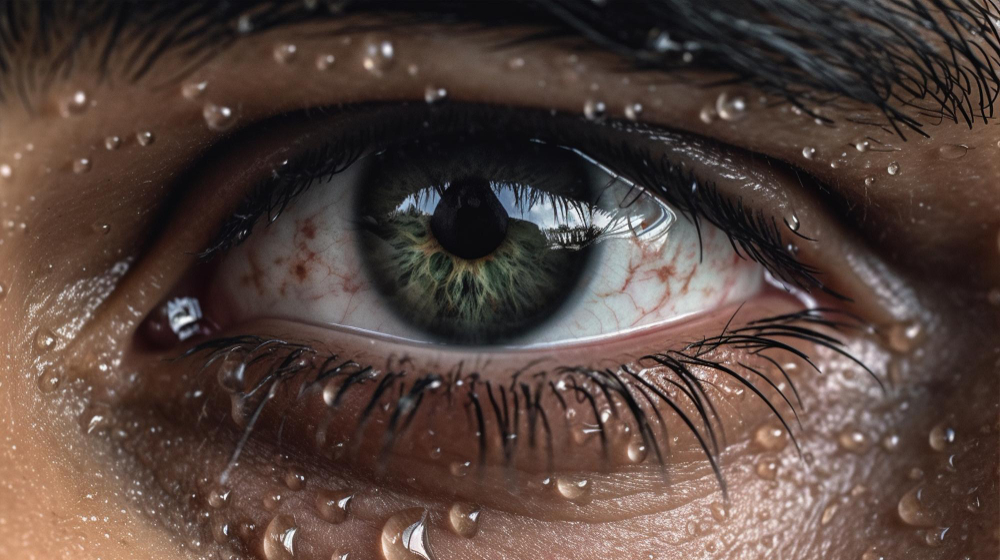
What are Monsoon Eye Infections?
Monsoon eye infections are common during the rainy season. The warm and humid weather helps germs grow. As a result, people often get eye infections during this time. Monsoon conjunctivitis is one of the most frequent problems. Many people also face redness, itching, or watery eyes. These infections can affect anyone, but children and older adults are at higher risk. Because the rainy season brings more dust and germs, it is important to stay alert. According to the World Health Organization, eye infections rise during the monsoon in many regions.
Common Symptoms
It is important to spot the signs of monsoon eye infections early. This helps prevent problems. Some common symptoms include:
If you notice these symptoms, you should act quickly. Early care can stop the infection from spreading.
Main Causes and Risk Factors
During the monsoon, several factors increase the risk of eye infection. For example, rainwater can carry germs. Also, touching your eyes with dirty hands can spread infection. Here are some main causes and risk factors:
Because the rainy season increases humidity, bacteria and viruses grow faster. This makes it easier to catch an eye infection during rainy season.
How Monsoon Eye Infections are Diagnosed
Doctors use simple steps to diagnose monsoon eye infections. First, they ask about your symptoms and recent activities. Next, they examine your eyes with a special light. Sometimes, they may take a small sample of eye discharge. This helps find out which germ is causing the problem. Most cases do not need lab tests. However, if the infection is severe or does not improve, extra tests may be needed. Early diagnosis helps in quick recovery.
Effective Treatment Options
Treatment for monsoon eye infections depends on the cause. For example, if bacteria are the reason, doctors may prescribe antibiotic eye drops. If a virus is to blame, soothing drops and rest are often enough. Here are some common treatments:
Always follow your doctor’s advice. Do not use over-the-counter drops without consulting a specialist. According to the CDC, proper treatment can prevent complications.
Prevention Tips During the Monsoon Season
Preventing eye infections in monsoon is possible with simple steps. Here are some tips to keep your eyes healthy:
Because prevention is better than cure, these habits can help you avoid monsoon conjunctivitis and other infections.
Lifestyle and Home Care Guidance
Along with medical treatment, home care is important. For example, you should rest your eyes and avoid bright lights. Here are some lifestyle tips:
Because good habits help recovery, follow these steps for faster healing. If symptoms get worse, seek medical help right away.
In summary, monsoon eye infections are common but can be managed with care. If you notice symptoms of an eye infection during the monsoon, consult an eye specialist at Nethraa Eye Hospital for prompt care.