Introduction
Myopia, also called nearsightedness, is a common vision problem. Many people around the world have myopia. If you have myopia, you can see nearby objects clearly. However, things far away look blurry. This blog will explain what myopia is, its symptoms, causes, and how it is treated. We will also share tips for living with myopia and ways to keep your eyes healthy.
What is Myopia?
Myopia is a condition where you see close objects clearly, but distant ones appear blurry. This happens because the eye focuses images in front of the retina, not on it. As a result, your vision for faraway things is not sharp. Myopia is also known as nearsightedness. It often starts in childhood and can get worse with age. According to the World Health Organization, myopia is becoming more common worldwide.
Symptoms of Myopia
Myopia can cause several signs that are easy to notice. For example, you may find it hard to see road signs or the board at school. Other symptoms include:
Sometimes, children may not realize they have vision problems. Therefore, regular eye check-ups are important.
Causes of Myopia
There are several reasons why myopia develops. Most often, it happens when the eyeball is too long. Sometimes, the cornea (the clear front part of the eye) is too curved. Because of this, light does not focus correctly on the retina. Myopia can run in families. If your parents have myopia, you are more likely to get it too. Spending a lot of time doing close-up work, like reading or using screens, may also increase the risk.
How Myopia is Diagnosed
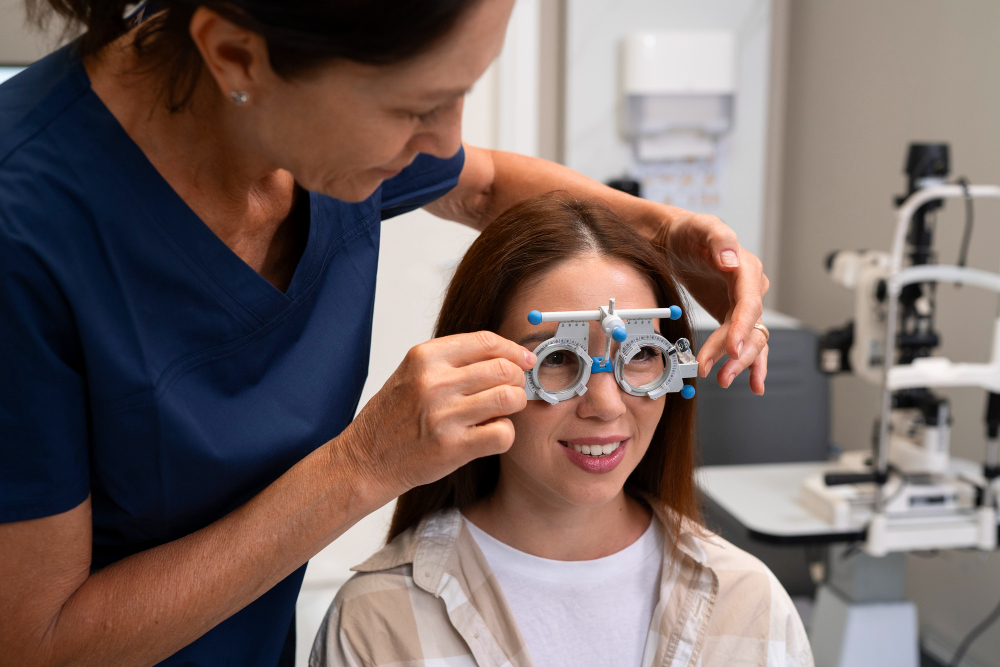
Eye doctors use simple tests to check for myopia. First, they ask about your vision and any problems you notice. Next, they use a special chart with letters or symbols to test how well you see at different distances. Sometimes, the doctor uses eye drops to help check your eyes. After these tests, the doctor can tell if you have myopia and how strong it is. Regular eye exams help catch myopia early, especially in children.
Treatment Options for Myopia
There are several ways to treat myopia. The main goal is to help you see clearly. Common treatments include:
Your eye doctor will help you choose the best option for your needs. In some cities, you can find advanced myopia treatment centers for personalized care.
Tips for Living with Myopia
Living with myopia can be easy with a few simple steps. For example, you can:
With these tips, you can protect your vision and avoid eye strain.
Prevention and Eye Health
While you cannot always prevent myopia, you can take meaningful steps to support healthy vision. Spending more time outdoors may help lower the risk of myopia in children. Limiting screen time, taking regular breaks during close-up work, and eating a diet rich in fruits and vegetables all contribute to better eye health. Most importantly, regular eye examinations help detect vision problems early and prevent progression.
In summary, myopia is a very common vision condition, but with timely care and proper guidance, it can be effectively managed.
For personalised advice and expert evaluation, consult the eye specialists at Nethraa Eye Hospital if you notice any changes in your vision.