
Introduction
Strabismus is a condition where the eyes do not line up in the same direction. Instead, one or both eyes may turn in, out, up, or down. Because of this, the eyes may not focus on the same object at the same time. Strabismus is sometimes called “crossed eyes” or “eye alignment problems.” It can affect people of any age, but it often starts in childhood. Early treatment is important because it can help prevent vision loss and improve eye coordination. According to the American Academy of Ophthalmology, about 4% of children have strabismus.
Symptoms of Strabismus
Strabismus can show up in different ways. Sometimes, the signs are easy to spot. Other times, they may be more subtle. For example, you might notice:
However, in young children, double vision may not occur. Instead, the brain may ignore the image from the misaligned eye. Over time, this can lead to weaker vision in that eye, a condition called amblyopia or “lazy eye.”
Causes and Risk Factors
Strabismus can have many causes. Sometimes, the exact reason is not known. But, several factors can increase the risk:
In addition, strabismus in children is more common than in adults. But, adults can develop it due to stroke, head injury, or other health problems.
Diagnosis Methods
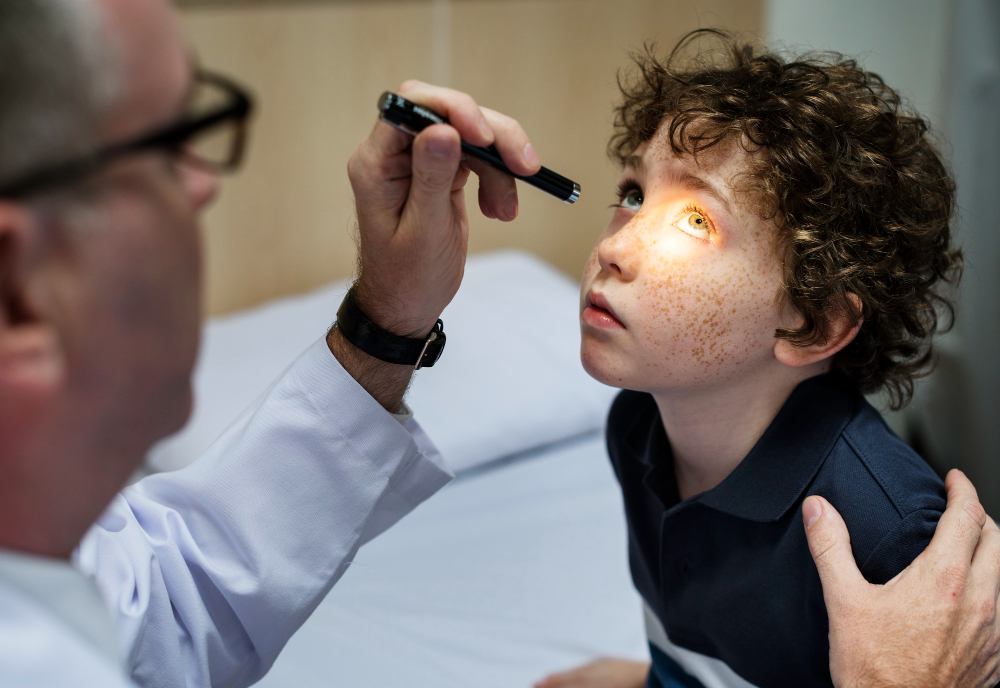
Early diagnosis of strabismus is important. An eye specialist, called an ophthalmologist, can check for strabismus using several methods. For instance, they may:
Because strabismus can sometimes be hard to spot, regular eye exams are important, especially for young children.
Treatment Options
Treatment for strabismus depends on the cause and how severe it is. Early treatment often leads to better results. Common options include:
Sometimes, more than one treatment is needed. For example, a child may need glasses and vision therapy. In some cases, surgery may be the best choice. According to the CDC, early treatment can help prevent long-term vision problems.
Lifestyle Tips and Daily Management
Living with strabismus can be challenging, but daily habits can help. For example:
Additionally, support from family and teachers can help children feel more confident.
Prevention and Early Detection
While not all cases of strabismus can be prevented, early detection is key. For instance, regular eye exams can catch problems early. The American Optometric Association recommends eye checks at 6 months, 3 years, and before starting school. If you notice any signs of eye misalignment, see an eye specialist right away. Early treatment can help prevent vision loss and improve eye alignment.
When to See an Eye Specialist
It is important to seek help if you notice any signs of strabismus. For example, see an eye specialist if:
Remember, early treatment can greatly improve eye alignment and vision outcomes in both children and adults. If you live in a large city, you’ll find many options for strabismus care—but choosing the right specialist is essential.
For personalised evaluation, accurate diagnosis, and expert treatment options, consult the eye specialists at Nethraa Eye Hospital.
Healthy eye alignment begins with the right guidance.