
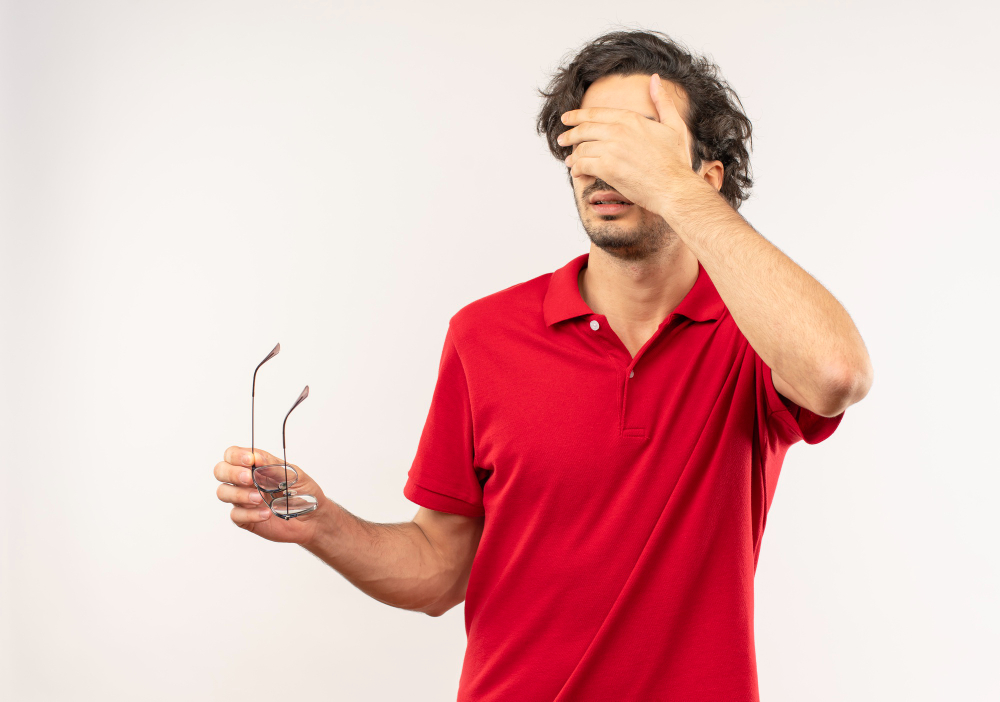
What is Photophobia?
Photophobia means being sensitive to light. People with photophobia often feel discomfort or pain when exposed to bright light. This condition is also called light sensitivity. While it is not a disease itself, it can be a sign of other health problems. For many, even normal indoor lighting can feel too bright. Because of this, daily activities may become difficult.
Common Symptoms of Photophobia
People with photophobia may notice several symptoms. These can range from mild to severe. For example, some may only feel slight discomfort, while others may need to avoid light completely. Common symptoms include:
Sometimes, these symptoms can make it hard to work, read, or go outside. However, the severity can differ from person to person.
Causes and Risk Factors
Photophobia can have many causes. Often, it is linked to problems with the eyes or brain. Some common causes include:
Additionally, people with lighter-colored eyes may be more sensitive to light. Wearing contact lenses or having certain eye diseases can also raise the risk. According to the CDC, some infections and neurological conditions can cause photophobia as well.
How Photophobia is Diagnosed
If you notice light sensitivity, it is important to see an eye care specialist. First, the doctor will ask about your symptoms and medical history. Next, they may perform an eye exam to check for problems. Sometimes, special tests are needed to look at the inside of the eye. In some cases, blood tests or brain scans may be ordered. This helps rule out serious causes, such as infections or injuries. Early diagnosis can help prevent further discomfort.
Treatment and Management Options
Treating photophobia depends on the cause. For example, if an infection is present, treating the infection can help. Other common treatment options include:
In many cases, symptoms improve once the underlying cause is treated. However, ongoing management may be needed for chronic conditions.
Lifestyle Tips for Living with Photophobia
Living with light sensitivity can be challenging. Still, some simple changes can help. Try these tips to make daily life easier:
Additionally, let friends and family know about your condition. This way, they can help you avoid bright environments when possible.
Prevention and When to See a Doctor
While not all cases of photophobia can be prevented, some steps may lower your risk. For instance, wearing sunglasses and protecting your eyes from injury can help. Also, treating eye infections quickly may prevent light sensitivity. However, if you notice sudden or severe symptoms, seek medical care right away. You should see a doctor if you have:
Early treatment can prevent serious problems and help you feel better sooner.
Conclusion
Photophobia, or light sensitivity, can affect daily life. But with the right care, most people find relief. If you experience persistent light sensitivity, consult an eye care specialist at Nethraa Eye Hospital for personalized advice.