What Is an Eye Number?
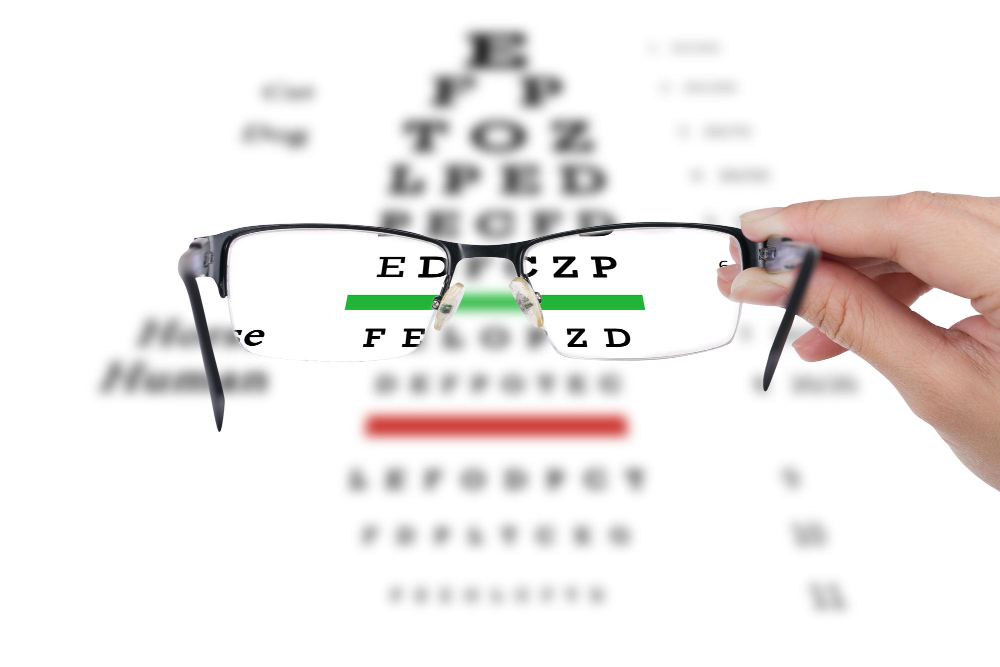
Many people hear the term “eye number” during eye exams. But what does it really mean? Your eye number is another way to describe your spectacle prescription. It tells you how much correction your eyes need to see clearly. In other words, it shows if you are nearsighted, farsighted, or have astigmatism. Understanding your eye prescription helps you make better choices for your vision.
How to Read Your Spectacle Prescription
At first, your spectacle prescription may look confusing. However, each part has a clear meaning. Usually, you will see rows and columns with numbers and letters. These numbers tell your eye care provider what type of lenses you need. For example, you may see terms like SPH, CYL, and Axis. Each one gives important information about your eyes.
So, when you look at your prescription, you can start to understand what each part means.
Common Terms in Eye Prescriptions
Many people want to know what the terms on their prescription mean. Here are some common words you might see:
For more details, you can ask your eye care provider to explain your prescription.
What Do Positive and Negative Numbers Mean?
When you see your eye number, you may notice positive or negative signs. But what do they mean? A negative number (like -2.00) means you are nearsighted. This means you see close objects clearly, but far objects look blurry. On the other hand, a positive number (like +1.50) means you are farsighted. You see distant objects well, but close objects may be blurry. Understanding these numbers helps you know why you need glasses or contact lenses.
Why Accurate Prescriptions Matter
Getting the right spectacle prescription is very important. If your prescription is not correct, you may have headaches or eye strain. Sometimes, you might feel dizzy or have trouble seeing clearly. Therefore, always make sure your prescription is up to date. Accurate prescriptions help you see your best and protect your eye health. According to the World Health Organization (WHO), regular eye exams can prevent many vision problems.
When to Update Your Eye Prescription
It is important to update your eye prescription regularly. But how often should you do this? Most experts suggest having an eye exam every one to two years. However, you should see your eye care provider sooner if you notice:
In addition, children and older adults may need more frequent check-ups. Early detection of changes helps keep your eyes healthy.
Tips for Eye Health and Regular Check-Ups
Keeping your eyes healthy is just as important as reading your prescription. Here are some simple tips:
Moreover, always follow your eye care provider’s advice. Good habits can help you keep your vision sharp for years to come.
In summary, understanding your eye number and spectacle prescription helps you take charge of your eye health. For the best care, consult an eye care specialist at Nethraa Eye Hospital to understand your prescription and maintain healthy vision.